

Following Season 5, this update shares our latest progress reducing disruptive voice behavior across Black Ops 7 and Call of Duty: Warzone, along with ongoing work to support positive multiplayer experiences players already create in matches.
Continued Progress Reducing Disruptive Behavior
Reducing disruptive interactions is a priority for Call of Duty. We continue improving the systems that help identify, review, and act on Code of Conduct violations so players encounter fewer disruptive interactions in their matches.
In the first 6 months after Black Ops 7’s release, continued investments in proactive moderation and system improvements helped drive lower disruptive voice behavior in Black Ops 7 and Call of Duty: Warzone™ compared with similar Black Ops 6 and Call of Duty: Warzone windows:
- ~40% reduction in players exposed to harmful voice interactions.
- ~50% reduction in disruptive voice offenders.
- ~16% reduction in repeat voice offenders.
These results reflect ongoing work across Call of Duty teams to detect disruptive behavior earlier, improve moderation efficiency and effectiveness, and reduce disruptive voice interactions players encounter in matches. Harmful behavior can make it harder to coordinate with teammates and reducing those encounters helps more players spend more time playing instead of dealing with disruptive interactions.
Our work also includes research collaborations that help us better understand how disruptive interactions appears during live matches and where we can continue improving. One example is our recently published collaboration with Caltech, which explored player behavior at scale and to help inform future improvements. You can read more about this work at research.activision.com.
This work is ongoing. As disruptive behavior continues to evolve, our team will continue refining our systems, reviewing enforcement outcomes, and improving how we respond.
Positive Play: Supporting Better Teammate Moments
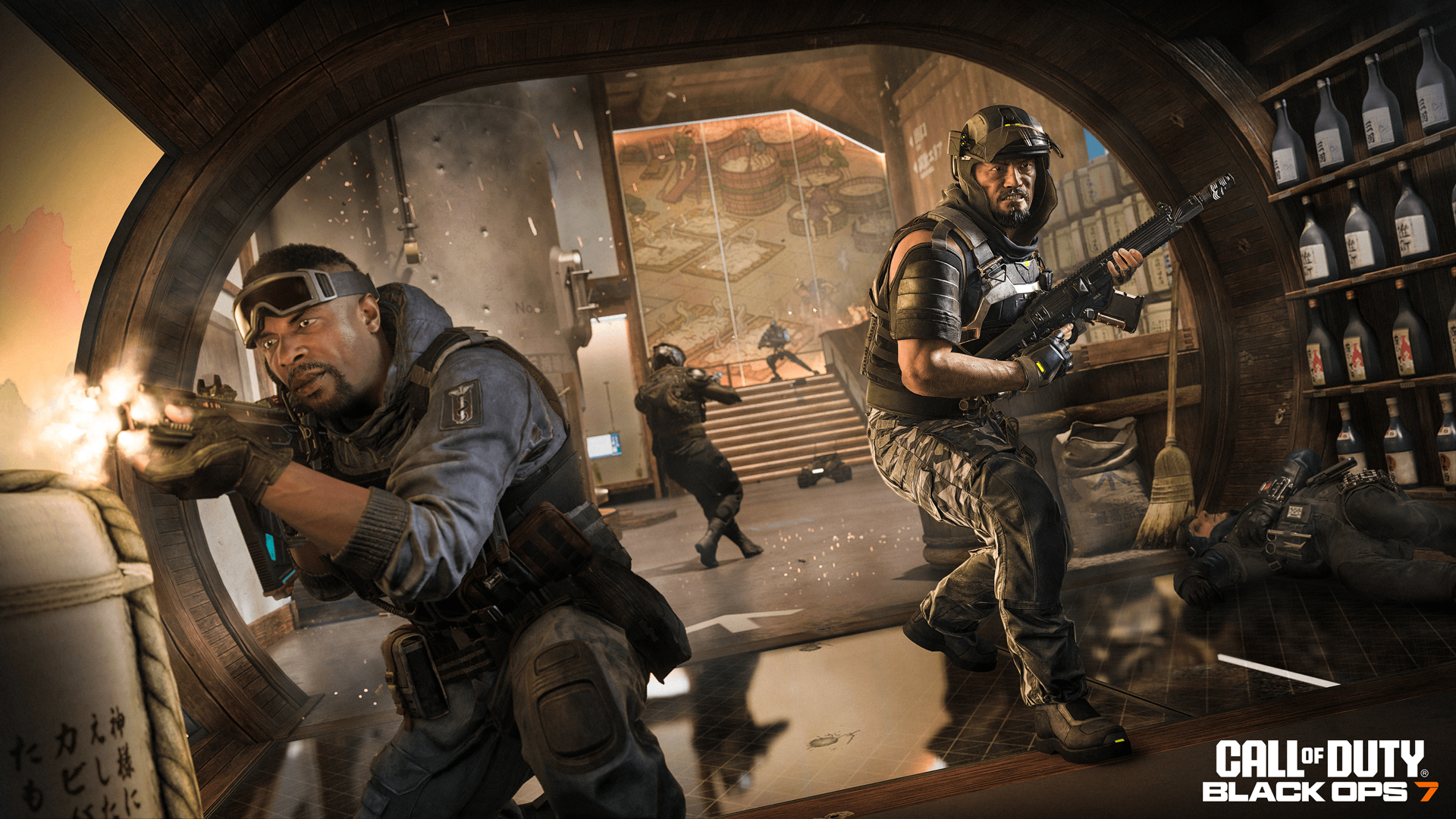
Reducing disruptive behavior remains one part of supporting a healthy multiplayer experience for the Call of Duty community. We do this through proactive detection, player reporting, enforcement, and ongoing improvements to our moderation systems. Positive Play is not about changing what makes Call of Duty competitive. It complements that work by understanding the moments that help players work better together, stay connected with their squad, and feel like they had a better match experience.
What do we mean by Positive Play?
One way we study Positive Play is through prosocial behavior, which we define as actions or interactions that benefit other players or the community.
That includes moments like:
- Supporting teammates through communication
- Reviving or buying back a teammate
- Thanking a teammate after a revive or buyback
- Sharing resources or loot
- Using voice or text chat to call out enemy positions or Points of Interest (POI)
- Using voice or text chat to call out harmful interactions
These interactions are already a regular part of the multiplayer experience. A recent case study examining prosocial voice interactions in Call of Duty: Warzone found:
- ~ 22% of players encountered at least one supportive voice interaction.
- ~ 6% of players initiated at least one supportive voice interaction. Because these interactions often involve multiple teammates, a single positive moment can reach many players during the same match.
- ~66% of matches containing prosocial voice interactions also included at least one cooperative action, such as reviving or thanking another player.
The findings suggest that supportive communication often occurs alongside cooperative gameplay.
We’ve also observed early signals in select Call of Duty: Warzone modes that suggest certain positive teammate interactions are associated with players choosing to continue playing together in after a match. Recent analysis in select Call of Duty: Warzone modes found that receiving a thanks from a random teammate was associated with players continuing to play together in the next match.
The takeaway is that positive communication often shows up in the same moments where teamwork matters most. Supporting these positive interactions complements our work to reduce disruptive behavior while both contributing to a better multiplayer experience for players. These learnings help us better understand which moments matter to players and how future experiences could make positive play easier to recognize, more visible, more connected to the way players already work together in matches, and more rewarding to players.
Looking Ahead
Helping improve the multiplayer experience requires both reducing disruptive behavior and supporting positive player interactions. Behind the scenes, this work reflects a long-running effort of our teams continuing to invest in proactive detection, moderation and enforcement, measurement, and ongoing system improvements, alongside academic research, and industry collaboration across Player Trust & Positive Play. We will continue improving our moderation systems, evaluating positive player interactions, and using data-informed insights to guide future investments to build a stronger understanding of how player behavior shapes multiplayer games.
We’ll continue sharing our progress as our work evolves. Our commitment remains the same: creating a Call of Duty experience that’s competitive, fair, and fun for all.
©/TM/® 2026 Activision Publishing, Inc.
For more information, please visit www.callofduty.com and www.youtube.com/callofduty, and follow @Activision, @CallofDuty, @CODLiveSeasons, and @InfinityWard on X, Instagram, and Facebook. For Call of Duty Updates, follow @CODUpdates on X.
Join Call of Duty's Official Discord to get the latest updates and maybe even meet your next squadmate!